This is Bad for Traditional Phone Systems

If you’re still relying on traditional phone systems for your business, this might be the wake-up call you didn’t want to hear. While you’ve been comfortable with your old-school setup, a technological revolution has been quietly dismantling everything you thought you knew about business communication. And frankly, it’s not looking good for the traditional players.
The culprit? Artificial Intelligence (AI) powered virtual assistants and chatbots that are making traditional phone systems look like relics from a bygone era. These aren’t just fancy add-ons or nice-to-have features. They’re game-changers that are fundamentally rewriting the rules of customer service, call handling, and business communication.
Here’s the uncomfortable truth: while traditional phone systems are stuck in the past, AI-powered VoIP solutions are automating routine inquiries, freeing up human agents for complex issues, and delivering customer experiences that make old-fashioned call centers look painfully outdated. Companies using these technologies are seeing productivity boosts of up to 40%, cost reductions of 30%, and revenue increases of 20%. Meanwhile, businesses clinging to traditional systems are watching their competitors pull ahead at breakneck speed.
But don’t panic just yet. In this comprehensive guide, we’ll show you exactly why traditional phone systems are in trouble, how AI-powered virtual assistants and chatbots are leading the charge, and most importantly, what you can do about it before it’s too late.
The Role of AI in VoIP Telephone Systems: A Game-Changer for Business Communication
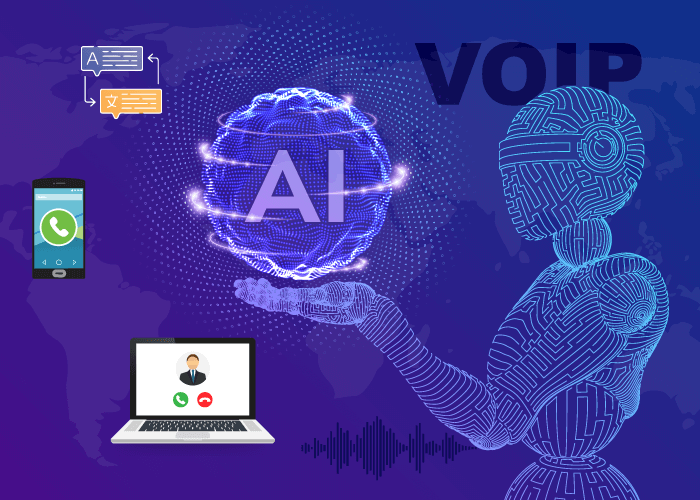
AI plays a pivotal role in VoIP telephone systems by augmenting traditional communication methods with advanced capabilities. Through Natural Language Processing (NLP), Machine Learning (ML), and predictive analytics, AI enhances communication efficiency, personalization, and automation. AI-powered features such as virtual assistants, speech recognition, sentiment analysis, and predictive analytics empower businesses to streamline communication processes, deliver personalized customer experiences, and make data-driven decisions.
Think of it like this: your old phone system was a trusty, reliable flip phone. It did the job, but it was limited. AI-powered VoIP is like upgrading to the latest smartphone. It can do everything your old phone could do, but it also has a whole suite of new features that make your life easier and more productive. It can anticipate your needs, learn your preferences, and even help you make better decisions. It’s a game-changer for business communication, and it’s only going to get more powerful in the years to come.
The Benefits of AI in VoIP Telephone Systems: More Than Just Cost Savings
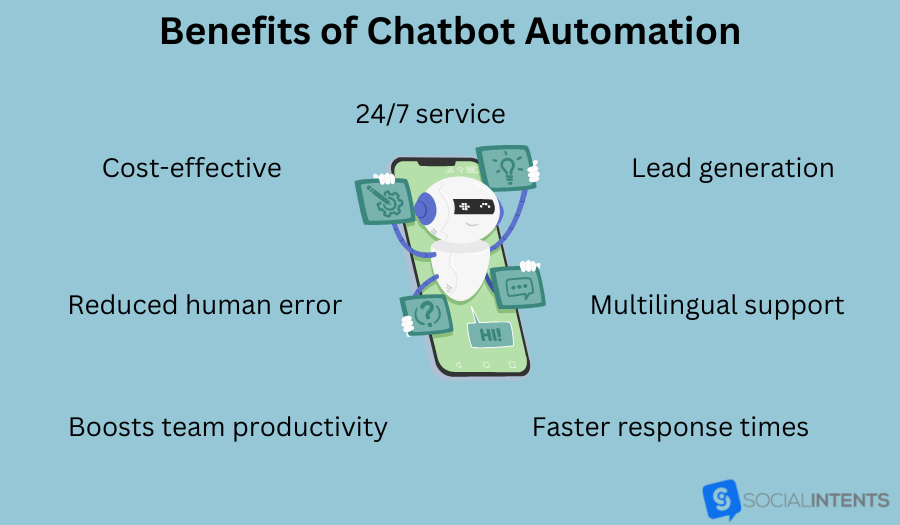
The integration of AI into VoIP telephone systems offers a myriad of benefits that go far beyond simple cost savings. While it’s true that AI can help businesses reduce their operational expenses, the real value lies in its ability to enhance efficiency, personalize customer experiences, and provide predictive insights that drive business growth.
1. Enhanced Efficiency: By automating routine tasks and processes, such as call routing and transcription, AI frees up valuable time for employees to focus on higher-value activities. According to a study by Accenture, AI has the potential to boost labor productivity by up to 40%, leading to significant efficiency gains for businesses. [1]
2. Personalized Customer Experiences: AI enables businesses to deliver personalized customer experiences by analyzing customer data, preferences, and behavior in real-time. Virtual assistants powered by AI can provide tailored recommendations, answer queries, and resolve issues, leading to improved customer satisfaction and loyalty. Research by McKinsey & Company found that companies that deliver personalized experiences see revenue increase by up to 10-15%. [2]
3. Predictive Insights: AI-driven analytics tools provide businesses with valuable insights into communication patterns, customer trends, and performance metrics. By analyzing historical data and predicting future trends, businesses can make informed decisions, anticipate customer needs, and proactively address issues before they arise. According to IBM, organizations that use AI for predictive analytics experience an average revenue increase of 20%. [3]
4. Scalability and Adaptability: AI-powered VoIP systems are highly scalable and adaptable to evolving business needs. As the volume of communication grows or new requirements emerge, AI can seamlessly scale to accommodate changes, ensuring that businesses can continue to leverage the benefits of AI as they grow. A report by Deloitte found that 90% of businesses believe AI will have a positive impact on their scalability and growth. [4]
Top 5 Use Cases for AI in VoIP: From Virtual Assistants to Predictive Analytics
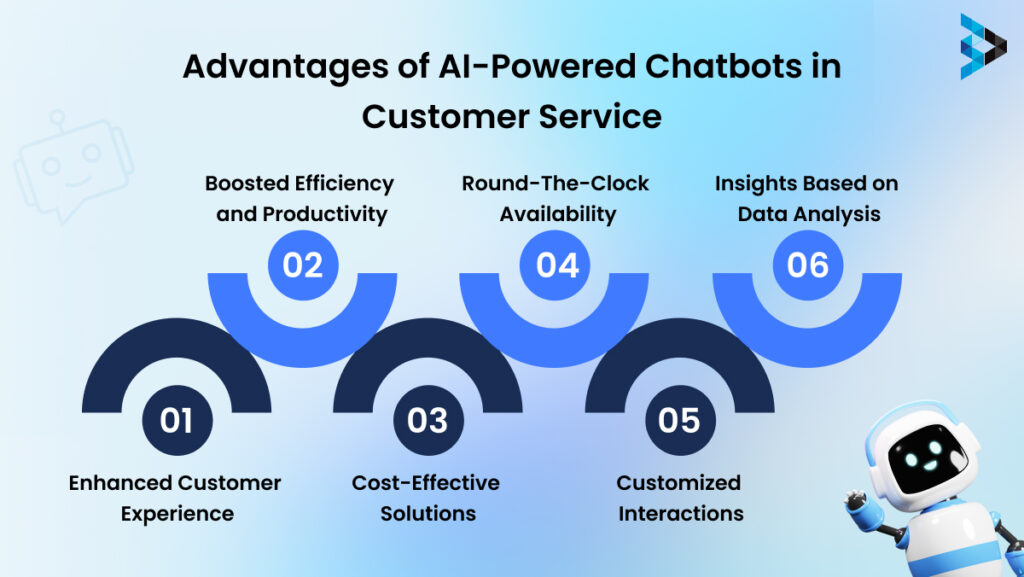
The applications of AI in VoIP are vast and varied, but there are a few use cases that stand out for their transformative potential. These are the areas where AI is already making a significant impact, and where we can expect to see even more innovation in the years to come.
1. Virtual Assistants: Virtual assistants integrated with VoIP systems leverage AI to handle routine tasks, such as call routing, appointment scheduling, and answering basic queries. By using natural language processing (NLP), virtual assistants can understand and respond to customer inquiries, enhancing efficiency and customer service.
2. Speech Recognition: Speech recognition technology integrated into VoIP systems enables automated transcriptions of voice calls, voicemails, and conference meetings. By converting spoken words into text, businesses can easily review and analyze communication data, extract valuable insights, and improve decision-making processes.
3. Sentiment Analysis: Sentiment analysis AI tools analyze the tone, emotions, and attitudes expressed in customer interactions, such as phone calls or chat conversations. By identifying sentiment trends, businesses can gauge customer satisfaction levels, detect potential issues early, and tailor their responses to improve overall customer experience.
4. Predictive Analytics: Predictive analytics algorithms integrated with VoIP systems analyze historical communication data to forecast future trends and outcomes. By identifying patterns and correlations in customer behavior, businesses can anticipate customer needs, personalize interactions, and proactively address potential issues before they escalate.
5. Call Analytics and Insights: Call analytics platforms powered by AI provide businesses with comprehensive insights into their communication processes. These platforms analyze call data, including call volume, duration, and outcome, to identify trends, measure performance metrics, and optimize communication strategies for enhanced efficiency and effectiveness.
Top 5 Integrations with AI in VoIP: A Symphony of Synergy
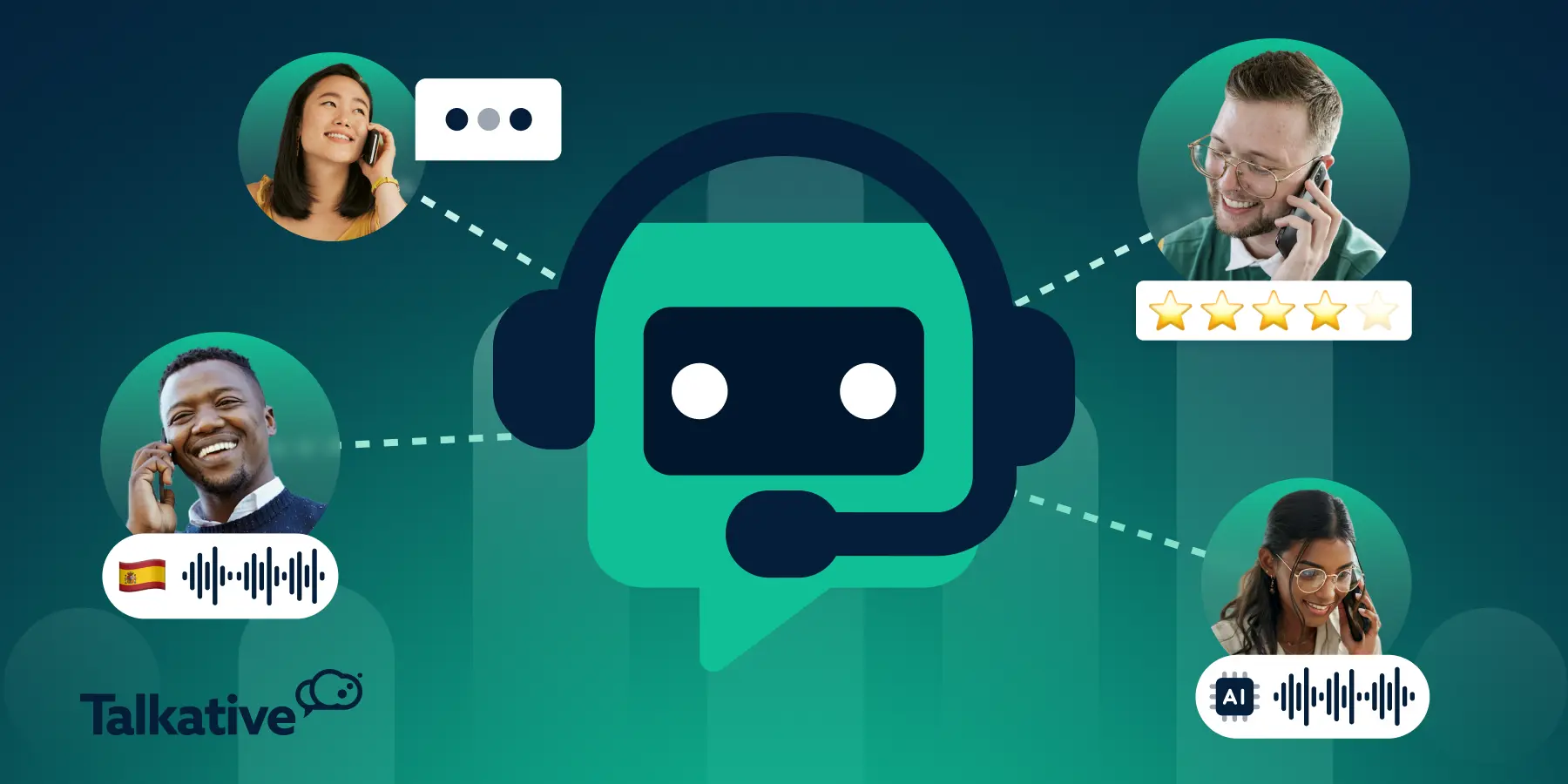
The power of AI in VoIP is amplified when it’s integrated with other business-critical applications. These integrations create a symphony of synergy, where each application enhances the capabilities of the others, resulting in a whole that is greater than the sum of its parts.
1. Gong AI: Gong AI leverages AI algorithms to analyze sales calls and provide insights into customer interactions. Integrated with VoIP systems, it can transcribe calls, analyze conversation patterns, and identify key topics and sentiment, helping sales teams improve their strategies and close more deals.
2. Salesforce AI: Salesforce AI enhances customer relationship management by using AI to analyze customer data and interactions. When integrated with VoIP systems, it can provide real-time insights into customer calls, predict customer behavior, and suggest personalized actions for sales reps, improving customer engagement and satisfaction.
3. HubSpot AI: HubSpot AI offers AI-powered tools for marketing, sales, and customer service. Integrated with VoIP systems, it can analyze call data, automate lead scoring and routing, and provide personalized recommendations for sales and marketing campaigns, enabling businesses to drive more effective communication and engagement.
4. Zoho AI: Zoho AI provides AI-driven solutions for various business processes, including sales, marketing, and customer support. Integrated with VoIP systems, it can analyze call data, identify trends and patterns, and automate repetitive tasks, empowering businesses to optimize their communication processes and deliver better customer experiences.
5. Zendesk AI: Zendesk AI enhances customer support and service by using AI to automate ticket routing, prioritize inquiries, and provide personalized responses. When integrated with VoIP systems, it can analyze call data, identify customer issues, and suggest solutions in real-time, improving efficiency and effectiveness in resolving customer inquiries.
The Future of AI and VoIP: A Glimpse into Tomorrow
The integration of AI and VoIP is still in its early stages, but the potential is limitless. As AI technology continues to advance, we can expect to see even more innovative applications in the years to come. From real-time language translation to predictive call routing, the possibilities are truly endless.
One thing is for sure: the future of business communication is intelligent, personalized, and automated. And at the heart of this transformation lies the powerful partnership of AI and VoIP.
Should Businesses Wait Before Adopting AI?
With any new technology, there’s always the temptation to wait and see how it develops before jumping in. But with AI, the cost of waiting could be significant. The businesses that embrace AI today will be the ones that thrive tomorrow. They’ll be the ones that can deliver the personalized experiences that customers demand, the ones that can operate with the efficiency and agility that the modern market requires.
So, should businesses wait before adopting AI? The answer is a resounding no. The time to act is now. The future of business communication is here, and it’s powered by AI.
References
[1] Accenture. (n.d.). AI is the new UI.
[2] McKinsey & Company. (2017, November 28). Marketing’s holy grail: The digital-personalization-at-scale.
[3] IBM. (n.d.). The business of AI.
[4] Deloitte. (2018). State of AI in the Enterprise, 2nd Edition.