Gemini Ask Maps: How Businesses Can Benefit from Google’s New AI-Powered Maps Search

Gemini Ask Maps: What It Means for Businesses and Why It Matters Now
Google Maps is no longer just a navigation tool. With the rollout of Gemini-powered Ask Maps, it is becoming a conversational discovery engine that helps people find businesses based on real-world needs, not just keywords. That shift matters because the way customers search, compare, and choose local businesses is changing fast.
Ask Maps lets users type natural questions like they would ask a person, such as where to find a quiet café with Wi-Fi, a lunch spot with vegan options, or a nearby service that fits a specific need. Instead of forcing users to scroll through lists and compare details manually, Gemini interprets intent and produces more context-aware recommendations.
For businesses, this is more than a feature update. It is a new visibility layer inside one of the most important local discovery platforms in the world. Companies that understand how Ask Maps works can position themselves to attract better-qualified leads, improve trust, and stand out in local search.
What Ask Maps Is
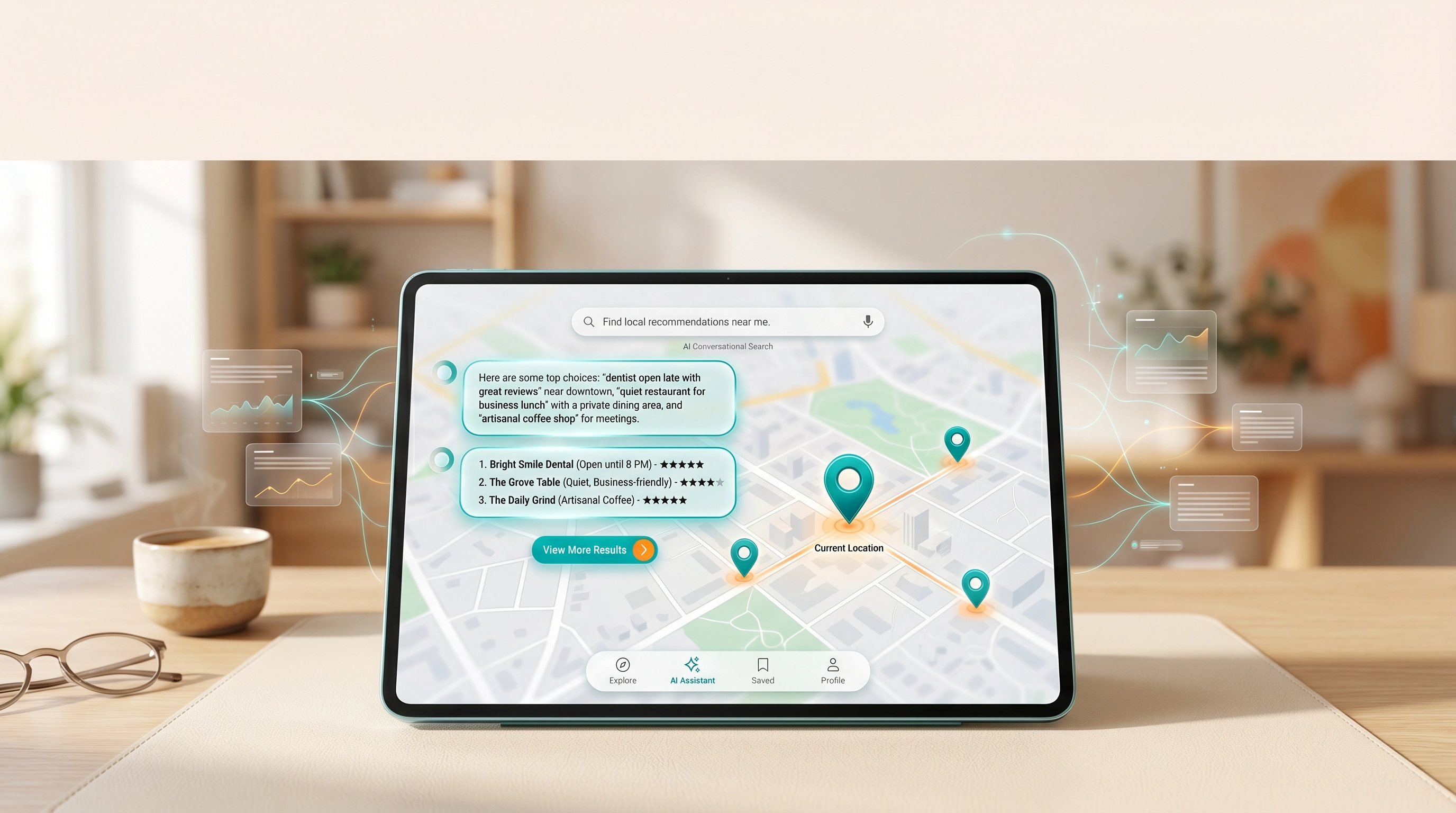
Ask Maps is a Gemini-driven conversational feature inside Google Maps that allows users to ask complex, layered questions and receive AI-generated recommendations. Google’s goal is to make Maps more intuitive by moving from simple keyword search to a more natural back-and-forth experience.
Instead of searching “dentist near me,” a user might ask for “a dentist open late with emergency appointments and good reviews for nervous patients.” That kind of query gives the AI more context, which means the results can be more relevant to the user’s actual needs.
This matters because local search is becoming more intent-based. The businesses that match the question best are more likely to get recommended, even if they are not the most obvious result in a traditional search.
Why It Changes Local Search
Traditional Google Maps rankings have relied on proximity, relevance, and prominence. Ask Maps adds a new layer of interpretation by looking at the meaning behind a user’s question, not just the search terms they type.
That means businesses now need to think beyond basic keywords. The AI is scanning signals like Google Business Profile details, reviews, photos, business attributes, website content, hours, and service descriptions to decide which businesses best match a query.
In practice, this creates a bigger opportunity for businesses with strong local presence and a clearer digital footprint. If your business has rich profile data, strong reviews, and useful content, Ask Maps is more likely to understand what you offer and recommend you in the right moments.
Business Benefits
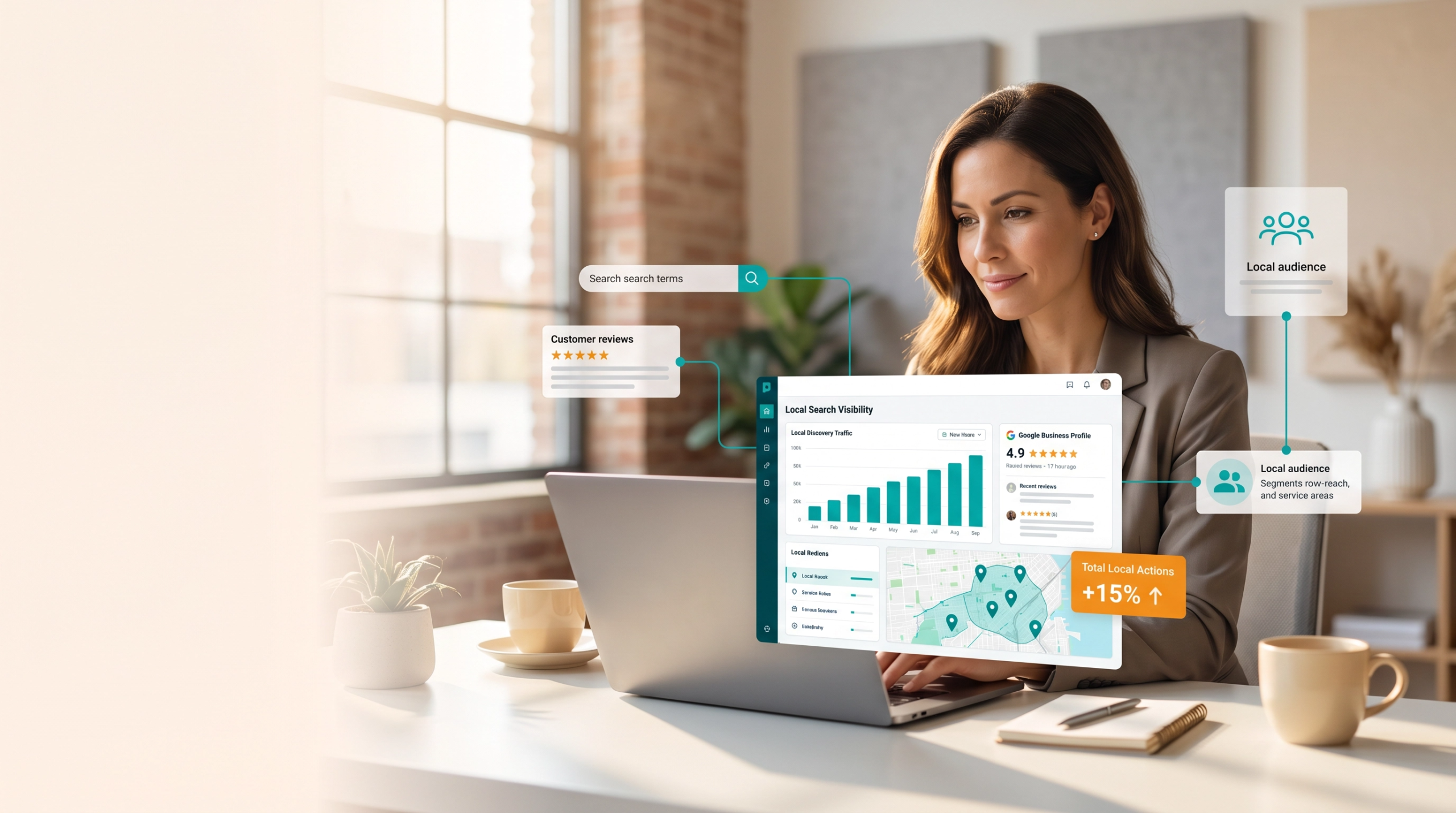
The biggest benefit of Ask Maps is higher-quality visibility. Users asking conversational questions are often closer to making a decision, which means the traffic they send can be more valuable than broad casual browsing.
A second benefit is better alignment with buyer intent. When someone asks a detailed question, they are not just looking for a category; they are looking for a solution. Businesses that clearly communicate services, specialties, and differentiators can capture that intent more effectively.
A third benefit is stronger trust. Ask Maps appears to weigh review language, business attributes, and supporting details more heavily, which means businesses with clear proof of quality have a better chance of standing out. That encourages a stronger reputation strategy, not just a ranking strategy.
What Google Looks At
Ask Maps appears to pull from many signals at once, including Google Business Profiles, customer reviews, business photos, service attributes, website information, location data, and user behavior. It then tries to match those signals to the meaning of the user’s query.
This changes how businesses should think about optimization. A listing with missing details, weak reviews, or vague service descriptions may be harder for AI to interpret correctly. By contrast, a complete and descriptive profile gives the model more confidence about when to show your business.
Reviews are especially important because the system can scan them for patterns such as fast service, quiet environments, Wi-Fi, accessibility, parking, or other practical features. That makes review quality and review wording more valuable than ever.
How Businesses Can Adapt
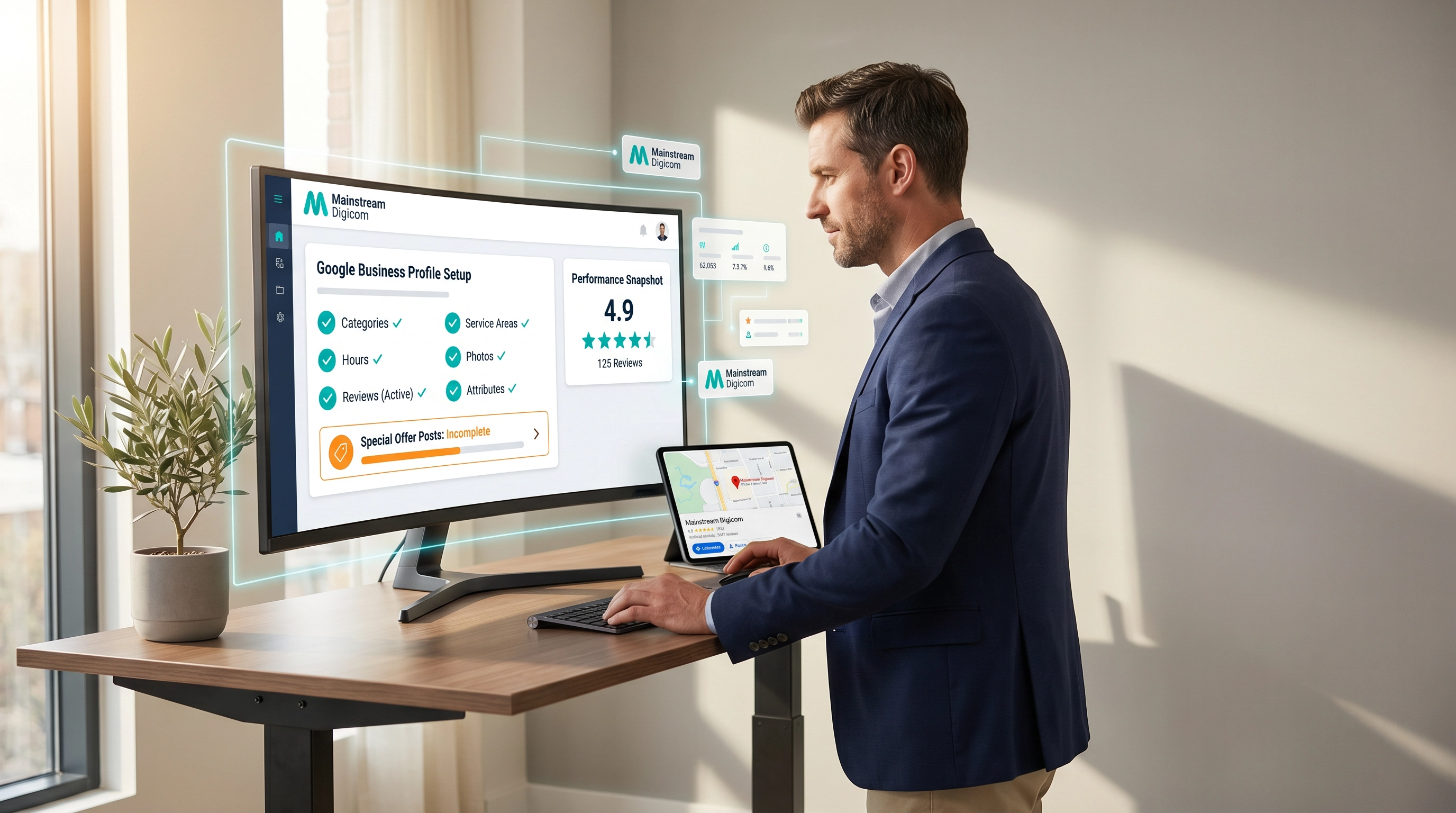
The first step is to fully optimize the Google Business Profile. That means accurate categories, service areas, hours, attributes, photos, descriptions, products, and updates. The more complete the profile, the easier it is for Gemini to understand your business.
The second step is to improve review strategy. Businesses should encourage customers to leave detailed reviews that naturally describe the experience, service quality, and business features. These details can help Ask Maps recognize the business for more specific queries.
The third step is website alignment. Your website should reinforce the same services, locations, and intent signals that appear in your Google profile. Clear service pages, local landing pages, FAQs, and schema markup all help build consistency across the web.
Content That Helps You Rank
Businesses that want to show up in Ask Maps should publish content that answers real customer questions. Think in terms of how people actually speak: “best family dentist open Saturday,” “quiet restaurant for a business lunch,” or “emergency plumber available tonight.”
That means creating content around service combinations, use cases, and customer concerns. For example, a restaurant can highlight dietary options, seating types, atmosphere, parking, and reservation availability. A service business can explain emergency response times, specialty services, and service regions.
Photos and updates also matter. A visual profile with current images, real examples of work, and regular posts gives the AI and the customer more confidence in your business. It also helps support the trust signals that influence local discovery.
Why This Matters For SMBs
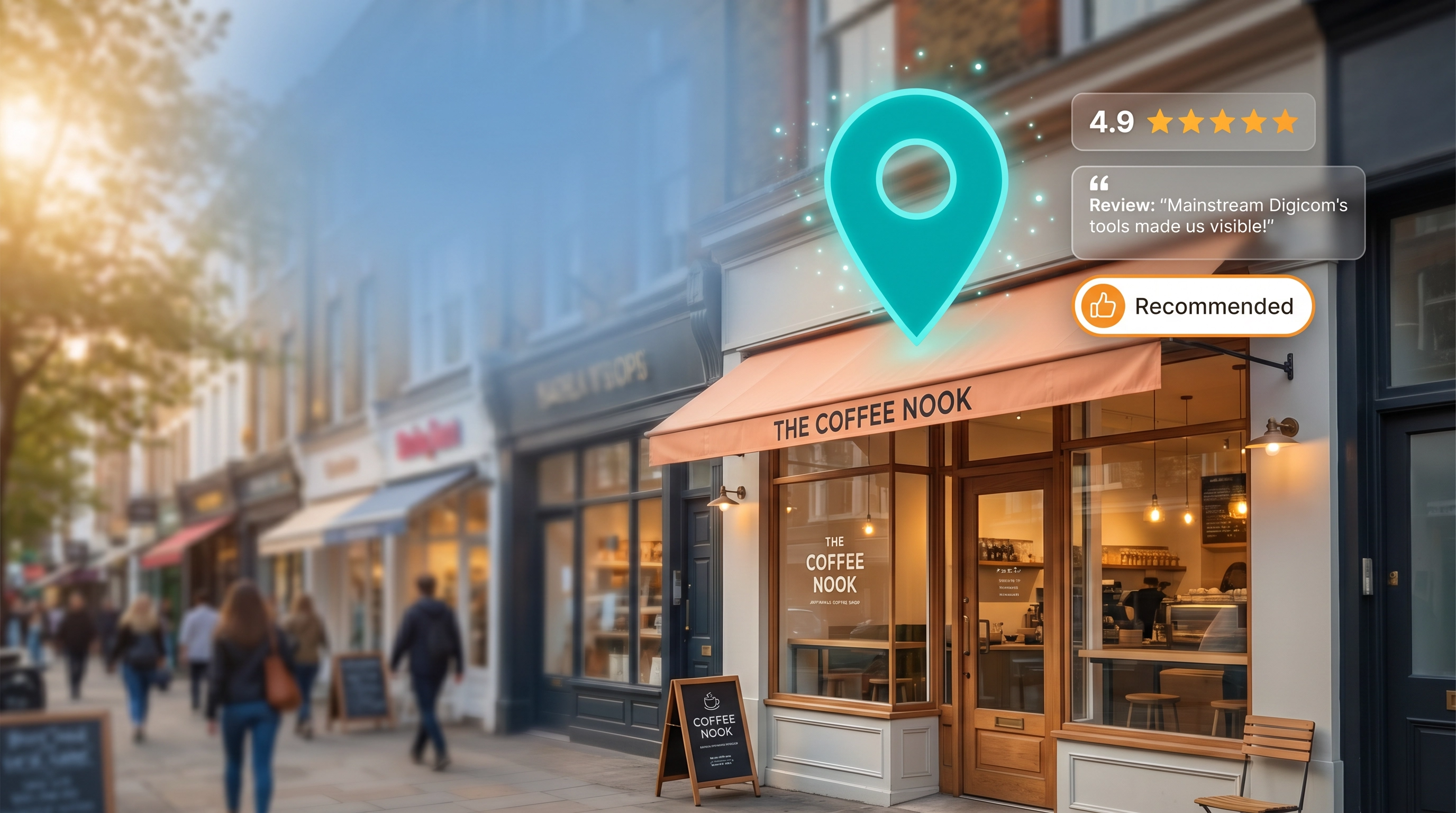
Small and medium-sized businesses often compete with larger brands that have more resources, but Ask Maps can actually help level the field in some cases. A business with a clearer offer, better reviews, and stronger local relevance can outperform a bigger competitor with a weaker profile.
This is especially useful for service businesses, restaurants, clinics, retailers, and local professionals. These businesses depend heavily on local intent, and Ask Maps is built around helping users make real-world decisions faster.
The businesses that win will not just be visible; they will be understandable. In an AI-driven search environment, clarity becomes a competitive advantage.
How This Fits SEO
Ask Maps does not replace SEO, but it expands what SEO needs to cover. Local visibility now depends on both traditional ranking signals and how well your business can be interpreted by AI systems.
That means SEO strategy should include Google Business Profile optimization, reputation management, website content quality, local landing pages, structured data, and ongoing profile maintenance. Businesses that treat all of these as one connected system will have a better chance of surfacing in conversational search.
This is also why local SEO is becoming more technical. It is no longer just about placing a keyword on a page. It is about building a complete business narrative that machines and people can both understand.
A Better Way To Compete
Ask Maps rewards businesses that are specific, trusted, and easy to categorize. If your business can clearly explain what you do, where you do it, and why customers choose you, you are in a stronger position than competitors who rely on generic listings.
That means your digital presence should work together: your Google Business Profile, website, reviews, content, and conversion pages should all support the same message. When those signals align, you improve your odds of being recommended by Google’s AI-driven Maps experience.
For many businesses, this is the perfect time to review their local visibility strategy before competitors catch up. The early movers are the ones most likely to benefit from the current shift in behavior and ranking systems.
Conclusion

Gemini Ask Maps is a major step forward for local discovery. It changes Google Maps from a simple search tool into a conversational assistant that can interpret user needs and recommend businesses with far more context than before.
For businesses, the message is clear: better profiles, better reviews, better content, and better alignment between your website and your local listing now matter more than ever. Those who adapt early can turn this change into a serious visibility advantage.
If you want your business to show up better in Google Maps and capture more local customers, start with your Google Maps ranking strategy. You can also strengthen your visibility with a website audit, a faster modern website, or AI automation that saves time and helps your business run more efficiently.
Improve your Google Maps ranking here
You can also explore:
FAQ
What is Gemini Ask Maps?
Gemini Ask Maps is a conversational feature in Google Maps that lets users ask complex natural-language questions and receive personalized recommendations. Google says it uses fresh map data and reviews to help users plan and decide more easily. reddit+1
How does Ask Maps help businesses?
It helps businesses by rewarding clear, complete, and trustworthy local signals such as profile quality, reviews, photos, and website relevance. That can improve visibility for high-intent local searches. seovendor+1
What should businesses optimize first?
Start with Google Business Profile completeness, then strengthen reviews, website alignment, and local content. Google’s own materials emphasize rich place data, reviews, and personalization signals. localmighty+2