Top 10 Uses of AI Voice Assistants for Business That Will Blow Your Mind

In the fast-paced world of business, staying ahead of the curve is not just an advantage; it’s a necessity. And right now, one of the most significant technological shifts is happening in the realm of voice. AI voice assistants, once a novelty in our homes, are now rapidly becoming a transformative force in the enterprise. From automating customer service to streamlining internal workflows, voice AI is reshaping how businesses operate, communicate, and grow.
The numbers speak for themselves. The voice assistant market is projected to reach a staggering $47.37 billion by 2032, growing at a CAGR of 26.45% [1]. This explosive growth is fueled by the tangible benefits businesses are experiencing, with some reporting up to a 70% reduction in call center costs and a significant boost in customer satisfaction [2].
But what exactly are these game-changing applications? How are businesses leveraging voice AI to achieve such impressive results? In this comprehensive guide, we’ll explore the top 10 uses of AI voice assistants for business, backed by the latest research, real-world examples, and proven ROI data. Get ready to discover how this talking tech could be the key to unlocking your business’s full potential.
1. Revolutionizing Customer Service with 24/7 AI Agents

Customer service is the frontline of any business, and it’s here that AI voice assistants are making one of their most significant impacts. Traditional call centers are plagued by challenges like long wait times, inconsistent service, and high operational costs. Voice AI offers a powerful solution, providing 24/7 support that is both efficient and cost-effective.
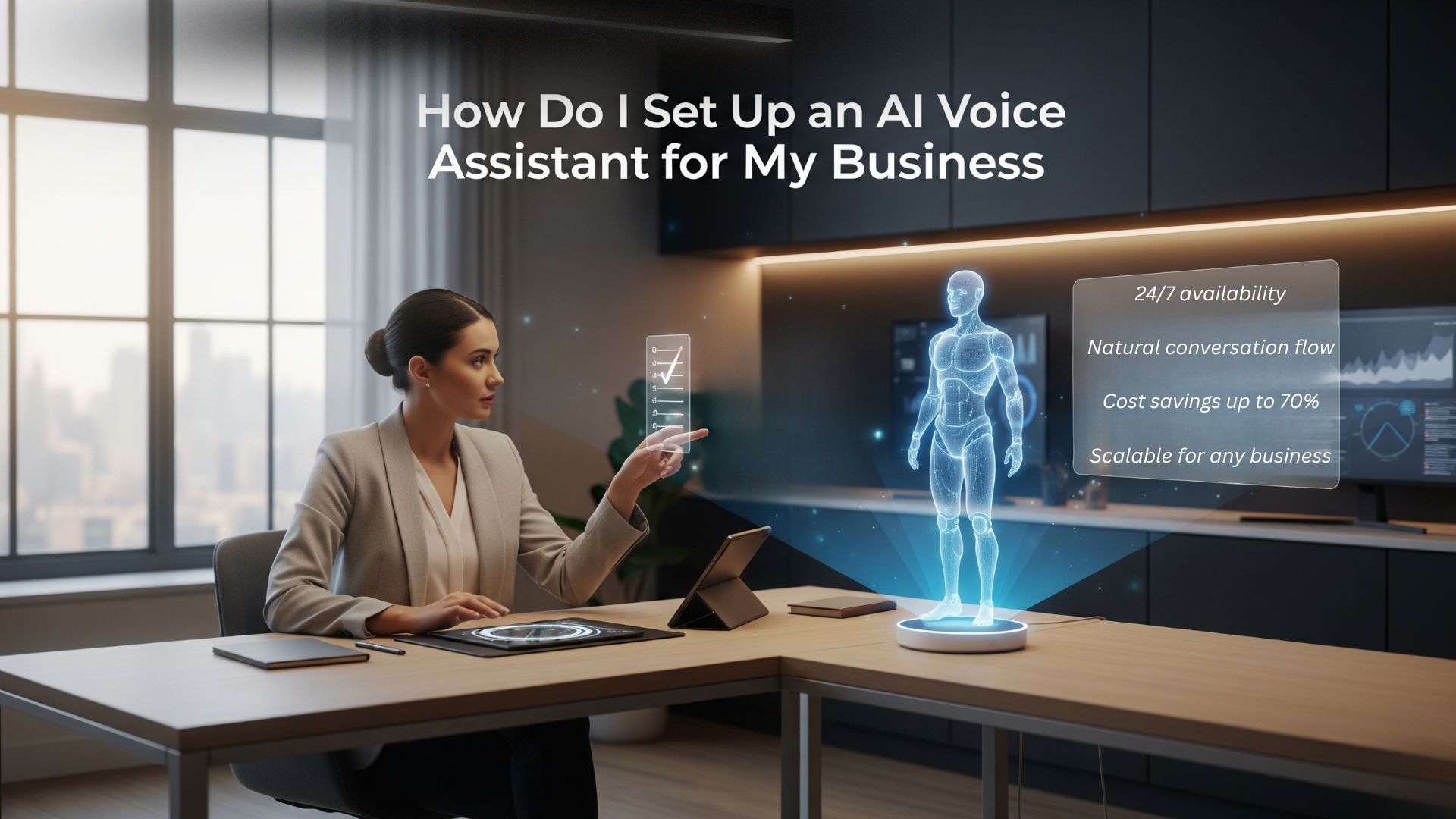
According to recent data, businesses implementing advanced Voice AI solutions are seeing cost reductions of up to 70% in their call centers [2]. This is achieved by automating a large volume of customer interactions, with Gartner predicting that 95% of customer inquiries will be handled by AI voice agents without human intervention by 2025 [2].
But it’s not just about cost savings. AI voice assistants are also enhancing the customer experience. They can handle a wide range of queries, from simple account balance checks to more complex issue resolution, with speed and accuracy. This frees up human agents to focus on more complex and high-value interactions, leading to a more satisfied and loyal customer base.
A compelling example of this is in the banking industry, where voice assistants are redefining customer service. Organizations that have integrated VAs report a reduction in customer service calls by over 20%, a decrease in client loss by 20%, and a 20% increase in first-call resolution [1]. Garanti Bank’s Mobile Interactive Assistant (MIA) is a prime example, allowing customers to perform a wide range of banking tasks using simple voice commands [1].
2. Streamlining Internal Workflows and Boosting Productivity

Beyond customer-facing applications, AI voice assistants are proving to be a powerful tool for optimizing internal operations and boosting employee productivity. Repetitive and time-consuming administrative tasks can be automated, freeing up employees to focus on more strategic and creative work.
Voice assistants can be integrated with various business systems to automate tasks like scheduling meetings, managing calendars, and even handling IT helpdesk requests. For example, an employee could simply say, “Schedule a meeting with the marketing team for tomorrow at 10 am to discuss the new campaign,” and the AI assistant would handle the rest, checking calendars, sending invitations, and booking a conference room.
In the HR department, voice assistants can be used to streamline a wide range of tasks, from managing recruitment databases to answering employee questions about benefits and policies. This not only saves time but also ensures that employees have instant access to the information they need.
The impact on productivity is significant. Research suggests that voice assistants can compensate for up to 6.2 billion work hours, allowing companies to achieve unprecedented levels of efficiency [1]. This automation of routine tasks not only boosts productivity but also improves employee satisfaction by reducing the burden of administrative work.
3. Personalizing the Customer Journey with AI-Powered Recommendations
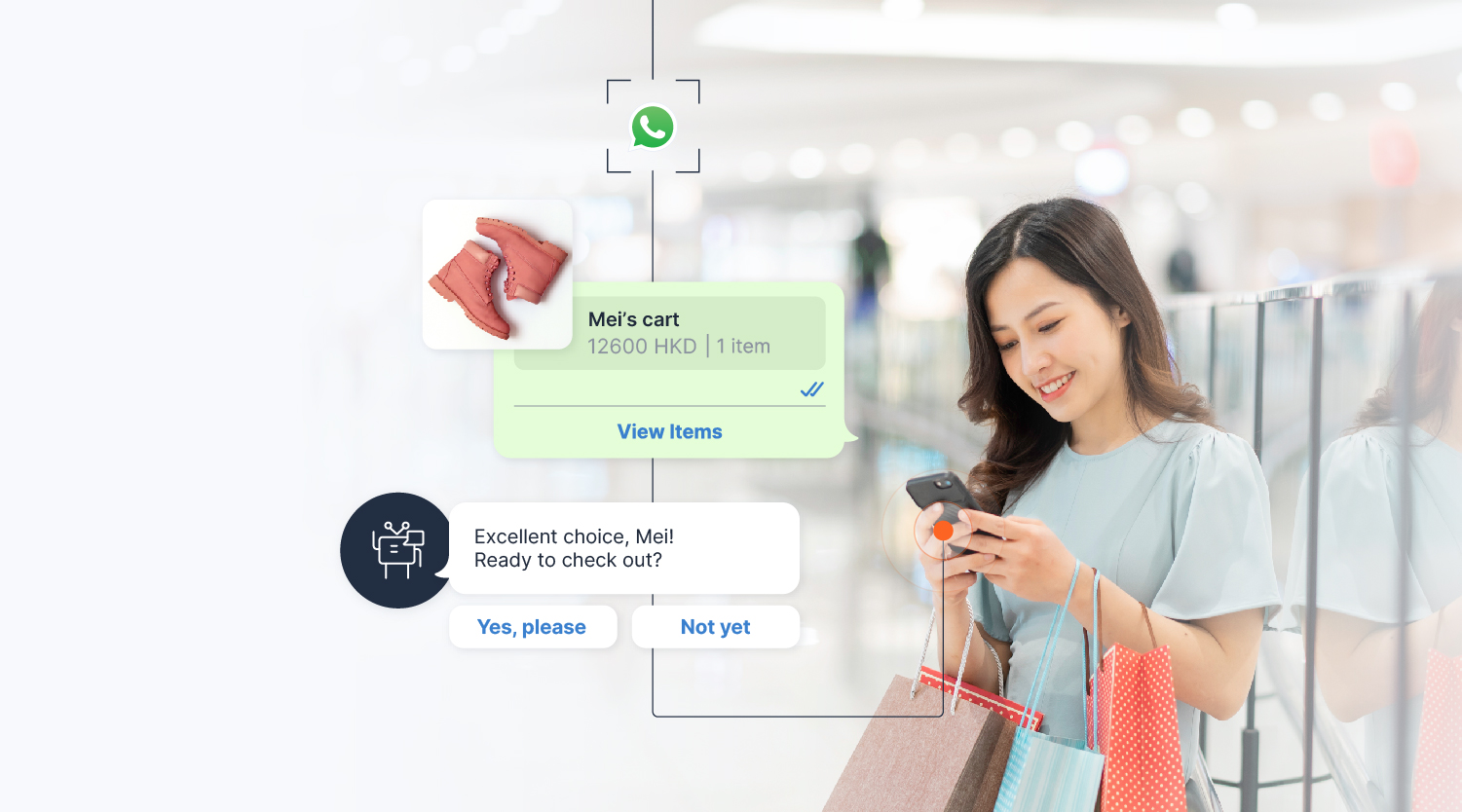
In today’s competitive market, personalization is key to winning and retaining customers. AI voice assistants are enabling businesses to deliver highly personalized experiences at scale, from product recommendations to tailored marketing messages.
By analyzing customer data, including past purchases, browsing history, and even the tone of their voice, AI assistants can gain a deep understanding of individual preferences. This allows them to provide relevant and timely recommendations that are far more effective than traditional marketing methods.
In the retail and eCommerce sector, this is having a profound impact. A recent report found that consumers of the retail industry demonstrated a 15% higher future preference for voice assistant technology over chat assistance [1]. This is because voice offers a more efficient and natural way to shop, with AI shopping assistants effortlessly directing customers to the products they’re looking for.
Imagine a customer saying, “I’m looking for a new pair of running shoes, something lightweight and good for long distances.” The AI assistant can instantly analyze their past purchases, brand preferences, and even their running style to provide a curated list of recommendations. This not only improves the customer experience but also drives sales, with some businesses reporting a significant increase in conversion rates.
4. Enhancing Marketing and Sales with Conversational AI

AI voice assistants are not just for customer service; they are also a powerful tool for marketing and sales. By engaging customers in natural, two-way conversations, businesses can build stronger relationships, gather valuable insights, and drive revenue growth.
Conversational AI can be used to create interactive marketing campaigns that are far more engaging than traditional advertising. For example, a customer could have a conversation with a brand’s AI assistant to learn more about a new product, get personalized recommendations, and even make a purchase, all without leaving the comfort of their home.
The eCommerce market has seen explosive growth, reaching $6.3 trillion in recent years, a 177% increase since 2019 [1]. Voice commerce is a key driver of this growth, with AI-powered shopping assistants making it easier than ever for customers to discover and purchase products.
Voice also opens up new opportunities for upselling and cross-selling. By analyzing a customer’s needs and preferences, the AI assistant can suggest complementary products and services in a natural and non-intrusive way. This not only increases the average order value but also enhances the customer experience by providing them with relevant and helpful suggestions.
5. Gaining Deeper Customer Insights with Voice Analytics
In the age of big data, understanding your customers is more important than ever. AI voice assistants provide a powerful new channel for gathering deep and actionable customer insights. By analyzing not just what customers say, but also how they say it, businesses can gain a much richer understanding of their needs, preferences, and pain points.
Voice analytics can be used to identify trends in customer sentiment, detect early signs of dissatisfaction, and even predict future behavior. This information can then be used to improve products and services, personalize marketing messages, and proactively address customer concerns.
The global value of transactions through voice assistants in eCommerce is estimated to be around $19.4 billion, with a staggering 400% increase within two years [1]. This demonstrates the immense potential of voice as a channel for both commerce and data collection.
By leveraging voice analytics, businesses can move beyond simple keyword spotting and gain a true understanding of the customer’s voice. This can lead to more effective marketing campaigns, improved customer loyalty, and a significant competitive advantage.
6. Improving Accessibility and Inclusivity for All
One of the most profound impacts of AI voice assistants is their ability to make technology more accessible and inclusive for everyone. For the nearly one billion people in the world who experience some form of disability, voice provides a powerful new way to interact with the digital world [1].
Voice assistants can provide a cost-effective solution for individuals with motor or linguistic disabilities, allowing them to control devices, access information, and communicate with others using only their voice. This can be a life-changing technology, empowering individuals to live more independently and participate more fully in society.
A peer-reviewed study from 2020 found that users with impairments could effectively adopt voice assistants and take control of their daily tasks, which can be a great boost for their mental health [1]. This includes everything from sending messages and making calls to controlling smart home devices and accessing online services.
But accessibility is not just about permanent disabilities. Voice assistants can also be a valuable tool for individuals with temporary impairments, such as a broken arm or a visual impairment. By providing a hands-free and screen-free way to interact with technology, voice assistants can help everyone stay connected and productive, regardless of their physical abilities.
7. Transforming Healthcare with Voice-Powered Clinical Workflows
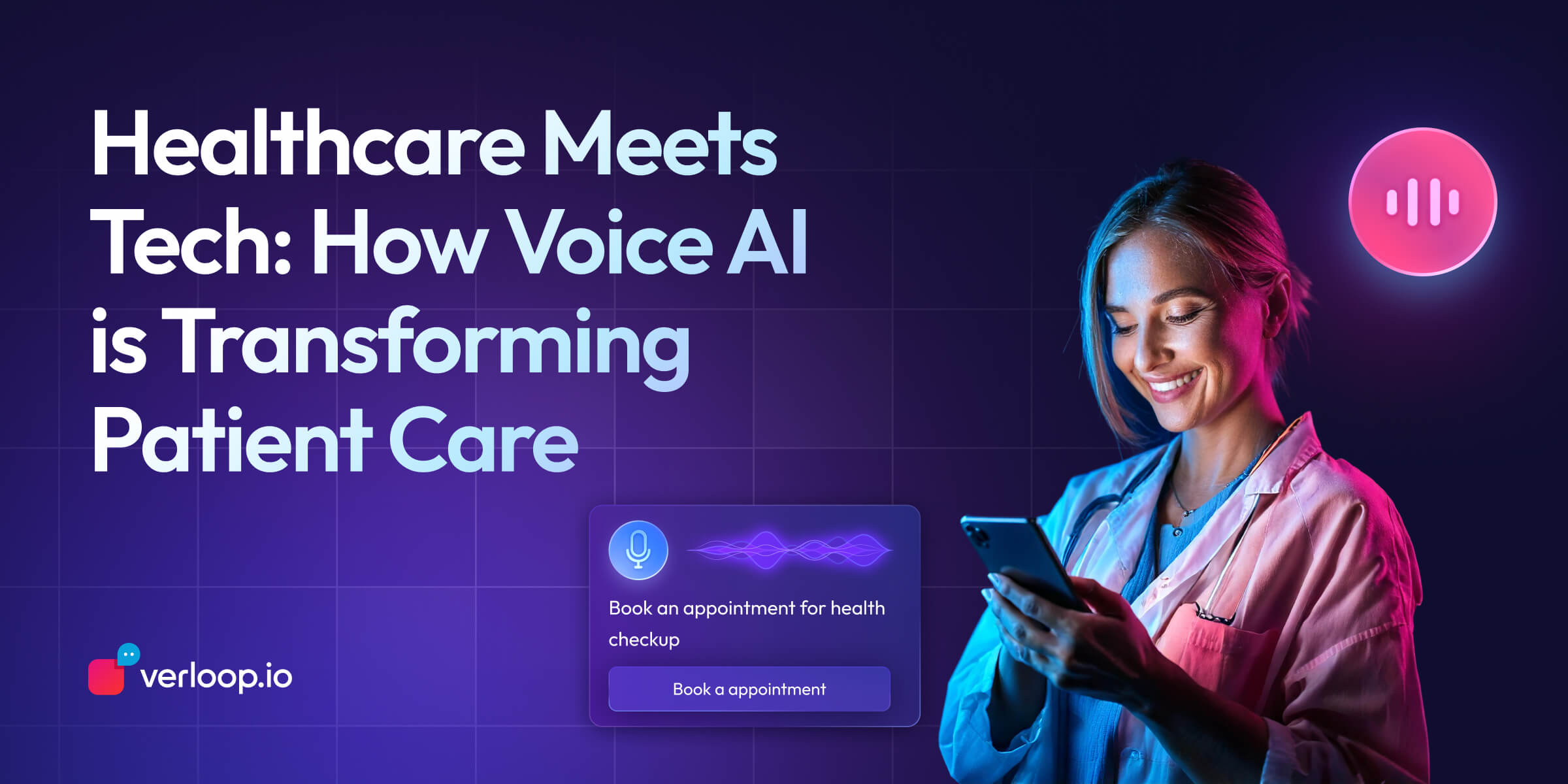
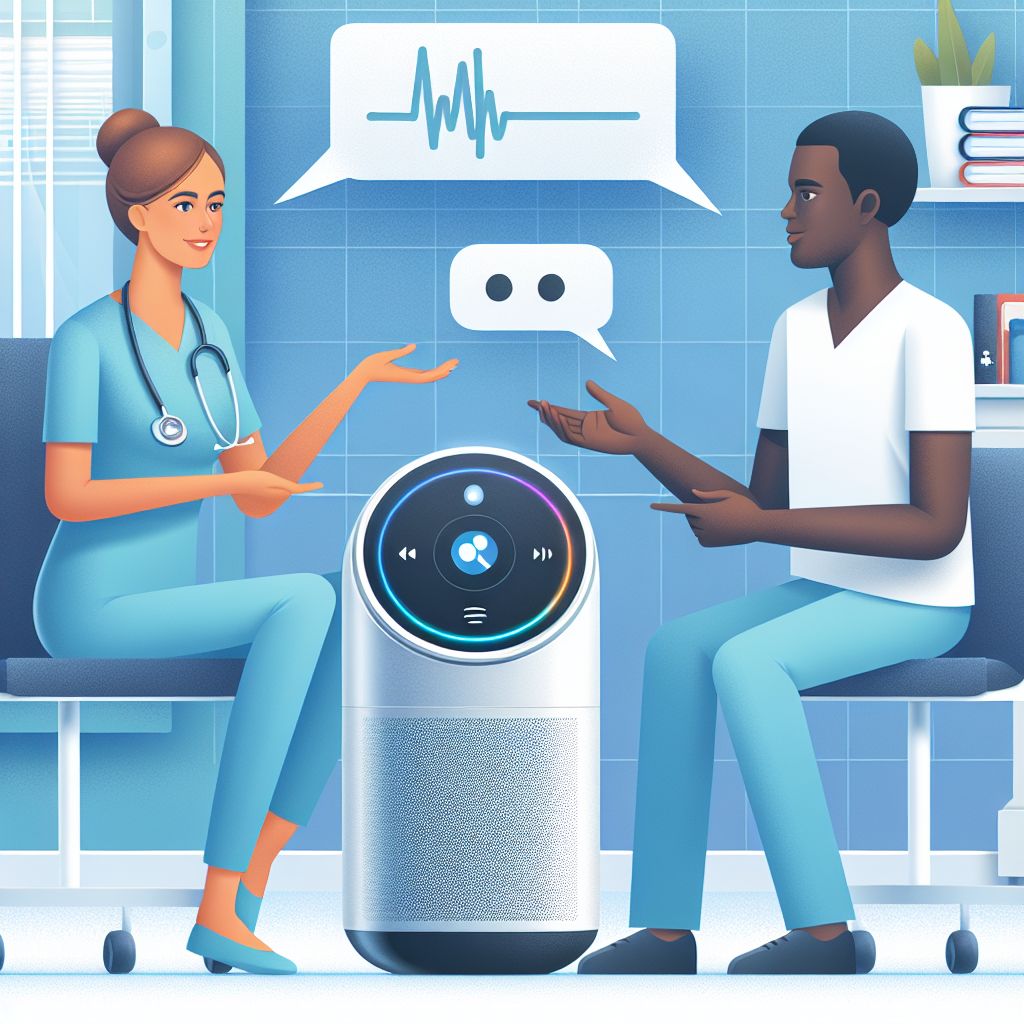
The healthcare industry is undergoing a massive transformation, and AI voice assistants are at the forefront of this change. By automating administrative tasks and streamlining clinical workflows, voice AI is freeing up healthcare professionals to focus on what they do best: providing high-quality patient care.
Voice assistants can be used to manage appointment scheduling, send medication reminders, and even transcribe medical notes in real-time. This not only saves time but also reduces the risk of errors and improves the accuracy of patient records.
For patients, voice assistants can be a valuable tool for managing their own health. They can use voice commands to access their medical records, get answers to their health questions, and even receive personalized health coaching. This can empower patients to take a more active role in their own care and lead to better health outcomes.
LifePod Solutions for Commonwealth Care Alliance is a great example of how voice technology is being used to enhance care for individuals with complex needs, disabilities, or impairments. By providing a hands-free way to manage personal care schedules and communicate with care providers, LifePod is significantly improving the quality of life and clinical administration for its members [1].
8. Enhancing the In-Car Experience with Automotive Voice Assistants
The automotive industry is another area where AI voice assistants are having a major impact. By providing a hands-free and intuitive way to control various in-car functions, voice AI is making the driving experience safer, more convenient, and more enjoyable.
Drivers can use voice commands to control everything from the navigation system and the audio player to the climate control and the phone. This allows them to keep their hands on the wheel and their eyes on the road, reducing the risk of accidents and improving overall safety.
But automotive voice assistants are not just about basic commands. They are also becoming more intelligent and proactive, providing drivers with real-time traffic updates, route suggestions, and even remote car control. This is particularly important in the age of autonomous and software-defined vehicles, where voice will be a key interface for interacting with the car.
As we move towards a future of more self-sufficient driving, voice assistants will play an even more critical role. They will connect drivers, vehicles, and the increasingly connected world, creating a seamless and intuitive driving experience that is both safe and efficient.
9. Streamlining HR and Recruitment with AI-Powered Automation
The HR department is the backbone of any organization, and AI voice assistants are helping to make it more efficient and effective than ever before. By automating a wide range of administrative tasks, voice AI is freeing up HR professionals to focus on more strategic initiatives, such as talent acquisition, employee development, and building a strong company culture.
Voice assistants can be used to streamline the recruitment process, from screening resumes and scheduling interviews to answering candidate questions and providing feedback. This not only saves time but also ensures a more consistent and positive candidate experience.
Once an employee is onboard, voice assistants can be used to manage a variety of HR tasks, such as tracking attendance, processing payroll, and managing benefits. This can significantly reduce the administrative burden on HR staff and ensure that employees have easy access to the information they need.
By leveraging the power of natural language understanding (NLU), voice assistants can also be used to analyze employee feedback and identify trends in employee sentiment. This can provide valuable insights into employee engagement and help HR to proactively address any issues before they become major problems.
10. Securing the Enterprise with Voice Biometrics
In an increasingly digital world, security is a top priority for businesses of all sizes. AI voice assistants are providing a powerful new tool for securing the enterprise, using the unique characteristics of an individual’s voice to verify their identity and protect sensitive data.
Voice biometrics is a highly secure and convenient way to authenticate users, as it is much more difficult to forge a voice than it is to steal a password or a security token. This can be used to protect a wide range of applications, from accessing corporate networks and confidential documents to authorizing financial transactions and controlling access to physical locations.
But voice biometrics is not just about security; it is also about convenience. By using their voice to authenticate, users can avoid the hassle of remembering complex passwords and carrying multiple security tokens. This can significantly improve the user experience and increase productivity.
As voice assistants become more integrated into our daily lives, voice biometrics will play an increasingly important role in securing our digital identities. By leveraging the power of AI, businesses can create a more secure and convenient world for their employees and customers alike.
The Future is Calling: Are You Ready to Answer?
The rise of AI voice assistants is not just a fleeting trend; it’s a fundamental shift in how we interact with technology and, by extension, how businesses operate. The top 10 use cases we’ve explored in this article are just the beginning. As voice technology continues to evolve, we can expect to see even more innovative and transformative applications emerge.
From revolutionizing customer service and streamlining internal workflows to personalizing the customer journey and securing the enterprise, the potential of voice AI is immense. Businesses that embrace this technology will be well-positioned to gain a significant competitive advantage, while those that lag behind risk being left in the dust.
The question is no longer whether to adopt voice AI, but how quickly and strategically to implement it. The future is calling, and it’s speaking in a voice that is clear, intelligent, and ready to do business. Are you ready to answer?
References
[2] Zudu.AI. (2025). Voice AI ROI: How Businesses Reduced Call Center Costs by 70%.