5 Ways You can survive a VoIP Power Outage
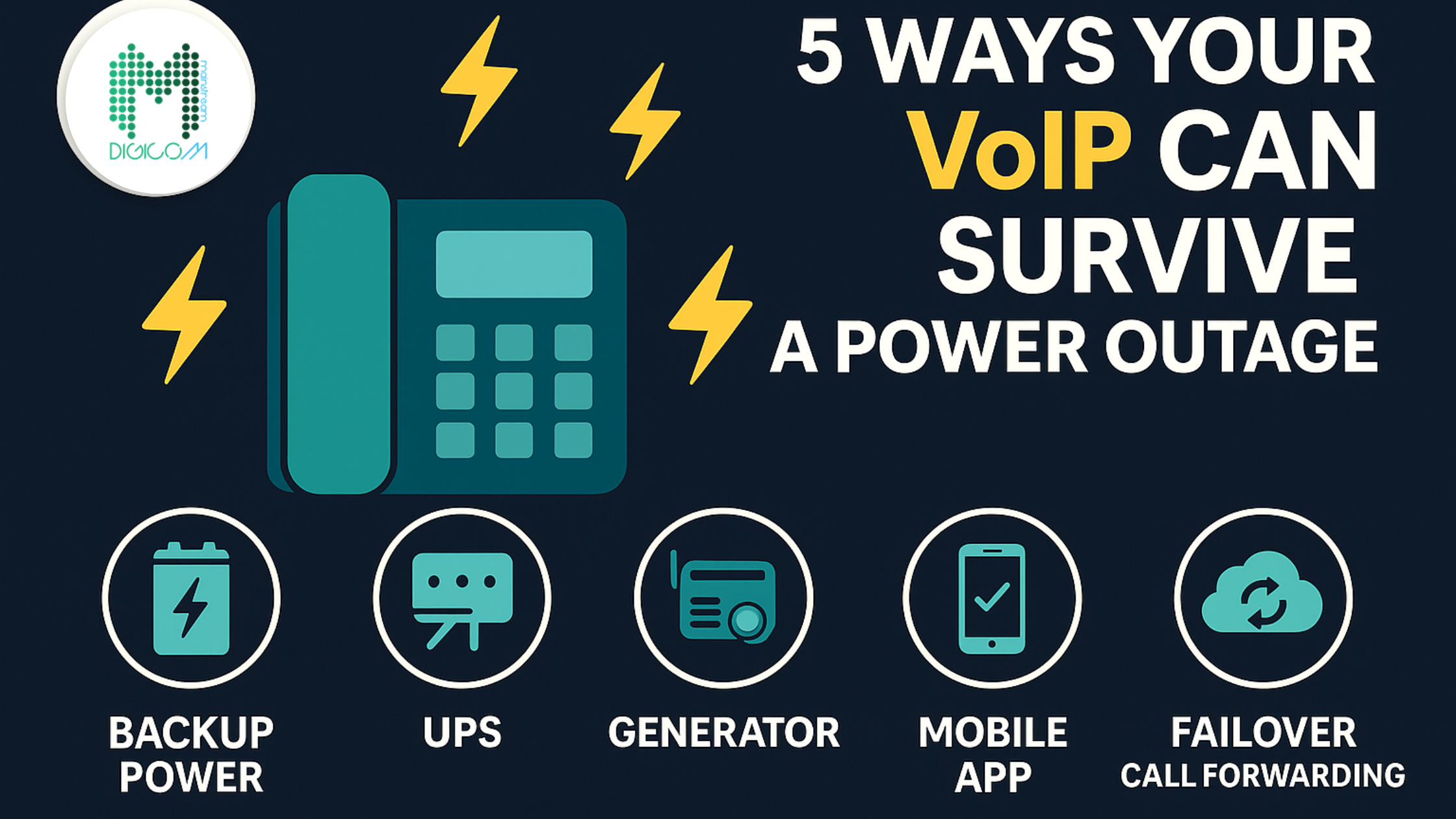
Introduction: The Digital Dark Ages (and Your Phone Bill)
In our increasingly digital world, everything runs on the internet. From groceries to streaming, the web is the invisible thread weaving through our daily lives. For many, that thread now extends to phone calls. Gone are the days of a phone tethered to a wall. Enter Voice over Internet Protocol, or VoIP – calls over your internet connection. It’s a marvel, offering flexibility, cost savings, and advanced features. You can take your business line on vacation, set up a call center from your living room, or get voicemails emailed. It’s the future, and it’s here. For more on the benefits of VoIP, check out our VoIP Solutions page.
But, like all great tech, VoIP has its Achilles’ heel: its power cord. While VoIP is fantastic when the lights are on, it goes silent when the power goes out. That sleek VoIP phone becomes an expensive paperweight, leaving you wondering if you should have kept that dusty old landline. Remember those? The ones that just… worked… even in darkness? With VoIP, when the power goes out, it’s not just your phone that dies; it’s your modem, router, and anything else keeping your internet humming. It’s a sudden, jarring return to the digital dark ages, and it’s more than an inconvenience; it’s a real problem. This VoIP power outage scenario is a common concern for users.
This post isn’t here to scare you into buying a carrier pigeon. Instead, we’ll demystify VoIP power outage vulnerability for everyone. We’ll explore why your VoIP phone goes silent during a VoIP power outage, share relatable, humorous anecdotes, and arm you with practical, layman-friendly solutions to keep your phone connected when power takes an unscheduled vacation. Our goal: help you prepare, so you’re not left shouting into the void. Because being prepared means never having to say, “Hello? Are you there?” to a dead line again. Let’s ensure your phone during power outage remains a lifeline, not a liability. This isn”t fear-mongering; it”s empowering you to keep talking, even when the grid naps. Let”s understand this VoIP vulnerability and ensure you always have backup power for VoIP.
Section 1: Why Your VoIP Phone Hates the Dark (The Technical Bit, Simplified)
To understand why your VoIP phone quits during an outage, especially a VoIP power outage, follow your voice’s path. Think of it as a relay race: each runner needs energy to pass the baton. If a runner collapses, the race stops. For your VoIP call, that energy is electricity, and those runners are your internet devices.
Infographic Label: VoIP Power Dependency Chain
Here’s the simplified chain for your VoIP call:
1.Your VoIP Phone/Adapter: This is where your voice starts. Whether a physical phone, an adapter, or a software app, it needs power to convert your voice to digital data and send it.
2.Your Router: Your voice then goes to your router, the traffic cop of your network. It directs all internet traffic – emails, streaming, VoIP calls. Like a cop needing coffee, your router needs electricity.
3.Your Modem: From the router, your voice data goes to your modem, the internet gateway. It translates ISP signals for your router, and vice-versa. Without power, this bridge is out, and your voice data is stuck.
4.Your Internet Service Provider (ISP) Equipment: Even with backup power for your modem and router, if the outage affects your ISP’s local equipment (like a neighborhood node), your internet connection still goes down. This is where an internet outage becomes critical. You might have power, but if the internet isn”t working, your VoIP calls go nowhere. For more on internet connectivity issues, see our Troubleshooting Internet Connectivity guide.
Unlike old landlines that drew power directly from the phone company (a kind of ancient, magical energy source that seemed to defy logic), your VoIP system relies entirely on your local power supply. No electricity, no router power, no modem power, no internet, no VoIP. It’s a simple, brutal truth. When the grid goes dark, your VoIP phone becomes an expensive paperweight, a stark reminder that even in the age of cloud computing, some things still need juice. This inherent VoIP power dependency makes preparing for VoIP power outage scenarios a necessity for reliable communication.## Section 2: The Unexpected Silence: Anecdotal Tales from the Digital BlackoutWe’ve all been there: lights flicker, then die, and a collective groan sweeps through the house. For VoIP users, that groan is often followed by a sinking feeling as our communication tool dies. This is when the reality of a VoIP power outage hits hardest. Here are a few tales from the trenches, where silence wasn’t golden, but a stark reminder of tech vulnerabilities.
Infographic Label: Common Power Outage Scenarios
Anecdote 1: The Crucial Call Cut Short
Meet Sarah, an online boutique owner whose business relies on her VoIP system. One Tuesday, mid-negotiation with a high-value client, a rogue squirrel (or ambitious pigeon) tested local power lines. Flicker. Pop. Silence. Sarah’s VoIP phone died. The client was cut off. This sudden VoIP power outage was a major disruption.
Sarah frantically searched for her half-charged cell phone, buried under fabric samples. When she finally called back, the conversation’s warmth had chilled. The momentum was lost, the deal stalled. Sarah learned a hard lesson about communication fragility. This highlighted the critical need for uninterrupted communication, especially when power outage communication is severed due to a VoIP power outage. For more on maintaining business continuity, explore our Business Solutions page.
Anecdote 2: The Home Office Havoc
Then there’s Mark, a remote graphic designer. One stormy Tuesday, his street went dark. He was due in a critical virtual meeting. His VoIP softphone blinked out. Mark, ever the optimist, grabbed his smartphone, thinking, “Hotspot to the rescue!” He fumbled, got it running, and watched his phone’s battery plummet. Meanwhile, his golden retriever barked incessantly at a leaf. Mark joined the meeting, but not before awkward silence and frantic apologies, punctuated by distant woof-woofs. The client was unimpressed. This wasn’t just inconvenience; it was a direct hit to Mark’s professional image. It underscored the need for a reliable emergency phone VoIP solution during a VoIP power outage.
Anecdote 3: The Emergency That Wasn’t (or Couldn’t Be Called In)
Finally, Mrs. Henderson, an elderly woman, cherished her VoIP phone. One chilly evening, a pipe burst – a minor emergency. She picked up her phone… nothing. The dial tone was gone. The screen blank. Power was out, and with it, her connection. Resourceful, she walked to her neighbor’s, but the helplessness was unsettling. It was a stark reminder that VoIP lacks the resilience of a traditional landline during a power failure. That old rotary phone, which she’d donated, would have worked. This highlights safety implications of VoIP vulnerability during outages, especially for those without alternative communication. A VoIP power outage can indeed be a serious safety concern. For general emergency preparedness tips, you might find useful information from the Red Cross.# Section 3: Lighting Up the Dark: Simple Solutions for VoIP During Power Outages
So, power goes out, your VoIP phone goes silent. But fear not! You don’t need to become a survivalist. Simple, practical solutions ensure your VoIP system stays alive even during a VoIP power outage. These solutions empower you to maintain connection, because silence isn’t always golden; sometimes, it’s just inconvenient.
Infographic Label: VoIP Power Backup Solutions
Solution 1: The Uninterruptible Power Supply (UPS) – Your VoIP’s Best Friend
Think of a UPS as a super-smart battery pack for electronics. When power goes out, it instantly kicks in, providing temporary electricity. For your VoIP power outage preparedness, plug your modem, router, and VoIP adapter/phone into the UPS. When main power fails, the UPS seamlessly takes over, giving you minutes, or hours, of internet and phone service. This ensures your VoIP during blackout remains functional.
Anecdotal Example: David, a freelance consultant, was on a client call when a thunderstorm caused a brief power flicker. He barely noticed. His lights dimmed, but his VoIP phone stayed alive, thanks to his small UPS. The client, unaware, continued the conversation. David finished the call, saved his work, and only then realized the outage. His UPS was the unsung hero, ensuring uninterrupted VoIP.
Recommendation: When choosing a UPS, consider run-time. A small UPS might give 15-30 minutes; larger ones, several hours. Ensure enough outlets for your modem, router, and VoIP device. It’s a small investment for peace of mind, ensuring your uninterrupted VoIP even when power plays hide-and-seek. For more details on choosing the right UPS, check out this external resource on UPS selection.
Solution 2: Mobile Hotspot/Cellular Backup – The Modern Lifeline
Your smartphone isn’t just for cat videos; it’s a powerful communication hub. Most smartphones have a “mobile hotspot” feature, sharing cellular internet with other devices via Wi-Fi. You can use your phone’s data to power your laptop, which runs your VoIP softphone. It’s a fantastic temporary solution when home internet dies during a VoIP power outage.
Anecdotal Example: Sarah (wiser now) was caught in another outage. Instead of frantic searching, she calmly activated her VoIP mobile hotspot. She connected her laptop, opened her VoIP softphone, and was back online. Call quality wasn’t pristine, but it was usable. She even emailed her client about the brief delay. This quick switch saved stress and kept her business running. It’s a testament to cellular backup for VoIP.
Recommendation: Be mindful of your data plan. Hotspot VoIP calls consume data quickly. Ensure your phone is charged, or have a power bank. While not permanent, it’s an excellent immediate fallback. It’s about having a reliable phone tethering VoIP option. For tips on optimizing your mobile hotspot, see our internal blog post on mobile data usage.
Solution 3: The Old-Fashioned Landline (as a backup) – The Analog Anchor
“A landline? Like a horse and buggy?” Yes, in features. But old copper wires often draw power directly from the phone company. So, even if your house loses power, your corded landline phone will likely still work. It’s the ultimate analog anchor in a digital storm, especially during a VoIP power outage.
Anecdotal Example: The Johnson family never got rid of their landline. Their kids teased them. Then came the great ice storm of ’24. Power was out for three days. While neighbors searched for charging stations, the Johnsons calmly made calls on their trusty corded landline, checking on relatives and even ordering pizza. They felt smug. Their landline backup was their lifeline, proving simple solutions are reliable. It’s a classic example of a traditional phone for emergencies saving the day.
Recommendation: Not for everyone. A landline is an additional monthly expense. But for absolute reliability in emergencies, especially for elderly or in outage-prone areas, it’s viable. Remember, it needs to be a corded phone. This provides a robust alternative during a VoIP power outage.
Solution 4: VoIP Provider Features – Your Service’s Safety Net
Many modern VoIP providers offer features to keep you connected during outages, even if local equipment dies. These are often overlooked but valuable, especially when facing a VoIP power outage.
•Call Forwarding to Mobile: A lifesaver. Set your VoIP service to automatically forward incoming calls to your mobile if your VoIP line is unreachable. Even if your system is down, calls ring on your cell, ensuring you don’t miss communications.
•Voicemail to Email: If a call can’t be forwarded, many services convert voicemails to audio files and email them. Check messages from any internet-connected device, even if your phone system is down.
•Softphone Apps on Mobile: Most VoIP providers offer mobile apps (softphones) to make/receive calls using your VoIP number directly from your smartphone, leveraging cellular data. This turns your mobile into a portable VoIP extension.
Anecdotal Example: Mainstream Digicom, a small law firm, had a power outage during a critical court filing. Thanks to their VoIP call forwarding, incoming client calls were redirected to lawyers’ mobiles. They communicated with clients, managed urgent requests, and accessed voicemails via email. The firm didn’t miss a beat, and clients were unaware. This shows how VoIP emergency features provide a crucial safety net during a VoIP power outage.
Recommendation: Check with your VoIP provider. Many features are included or can be added for a small fee. Configure them in advance. A mobile softphone app is great for staying connected on the go.## Section 4: Beyond the Basics: Proactive Steps for Business Continuity
For businesses, especially where communication is paramount, a UPS or mobile hotspot might not suffice. The stakes are higher; downtime is costly. This section covers robust strategies for Business VoIP continuity during extended outages. These solutions require more investment but offer higher resilience against a VoIP power outage.
Infographic Label: Business VoIP Resilience Strategies
Dedicated Internet Lines: The Redundant Lifeline
Imagine two separate internet connections from different providers. If one goes down, the other kicks in. This is internet redundancy, powerful for businesses needing zero downtime. One line handles daily operations; the second acts as backup. Even if your primary ISP fails during a VoIP power outage, your VoIP system stays online.
Anecdotal Example: A busy customer support center, reliant on constant communication, invested in redundant internet. During a regional power outage that took down their primary ISP, their backup line seamlessly took over. Agents continued calls without interruption; customers experienced no degradation. This proactive step saved thousands in lost business and dissatisfaction.
Recommendation: Typically for businesses with critical communication. It involves additional monthly costs but provides unparalleled reliability. Ensure your network equipment (router/firewall) can manage dual WAN connections for automatic failover. For more on network redundancy, consider this article on network failover strategies.
Generator Power: The Ultimate Backup
For businesses that cannot afford to lose power, a generator is the ultimate solution. From portable units for essential equipment to whole-building standby generators, it ensures your entire office, including internet and VoIP, remains operational during extended blackouts. This is the most robust defense against a VoIP power outage.
Anecdotal Example: A medical clinic, where patient communication is life-or-death, installed a standby generator. During a prolonged outage, their lights stayed on, computers ran, and VoIP phones functioned. They rescheduled appointments, answered emergency calls, and maintained patient care while neighbors closed. This preparedness is invaluable for essential services.
Recommendation: Generators are a significant investment (purchase and maintenance). They require professional installation and regular testing. But for high-stakes businesses or those with uptime regulations, they offer the most comprehensive protection against a VoIP power outage. You can find more information on commercial generators from reputable sources like Generac.
Cloud-Based VoIP Systems: Leveraging Off-Site Resilience
Many businesses move to fully cloud-based VoIP systems. Core infrastructure (servers, switches) is hosted by your provider in secure, redundant data centers. Even if your local office loses power/internet, your VoIP service remains operational in the cloud. Calls can still be routed, voicemails accessed, and employees use mobile softphone apps if they have internet (e.g., mobile data). This minimizes the impact of a local VoIP power outage.
Anecdotal Example: A tech startup, with a lean physical office, relied on cloud-based VoIP. When a localized power grid failure hit their building, office phones died. But because their VoIP system was in the cloud, their sales team, working remotely, continued calls using softphone apps. Clients never knew their main office was dark. This demonstrated inherent cloud VoIP reliability and flexibility.
Recommendation: Cloud-based VoIP significantly reduces local vulnerability. While you still need local internet/power for desk phones, the core service remains active. This allows greater flexibility in communication during an outage. It’s a powerful step towards true business continuity, especially against a VoIP power outage. To learn more about the benefits of cloud communication, visit our Cloud Solutions page.
Conclusion: Don”t Be Left in the Dark
So, a simple power outage can turn your cutting-edge VoIP system into a digital brick. But this isn”t a reason to retreat to the dark ages. It”s an opportunity to empower yourself with knowledge and solutions. From the humble UPS to sophisticated cloud systems, many ways exist to ensure your VoIP power outage doesn”t leave you stranded.
Remember, in the grand theater of life, where every call is a potential plot twist, you don”t want your phone to go full zombie apocalypse on you. A little preparation goes a long way. Assess your vulnerability, consider solutions that fit your needs and budget, and take action. When the lights go out, you want to be the one calmly continuing your conversation, not frantically searching for a landline that probably hasn”t worked since the last ice age. Stay connected, stay powered, and keep those conversations flowing, no matter what the grid throws your way.